
Proudly serving Soldotna, AK & surrounding areas

KID-FRIENDLY DENTISTRY – Soldotna, AK
KID-FRIENDLY DENTISTRY
Your child’s first dental visit should feel calm and enjoyable. We explain everything using simple, non-scary words to help kids feel relaxed and confident.
We are located at 36297 Kenai Spur Hwy, Soldotna, AK 99669
"People Love Us On Google"
350+⭐⭐⭐⭐⭐ Google reviews
Ridgeway Family Dentistry
36297 Kenai Spur Hwy, Soldotna, AK 99669
Technology and future focused
Conservative approach to treatment
Total health and prevention
Ridgeway Family Dentistry
36297 Kenai Spur Hwy, Soldotna, AK 99669
Technology and future focused
Conservative approach to treatment
Total health and prevention
Outstanding 4.9
80+ visitors chose this office this month

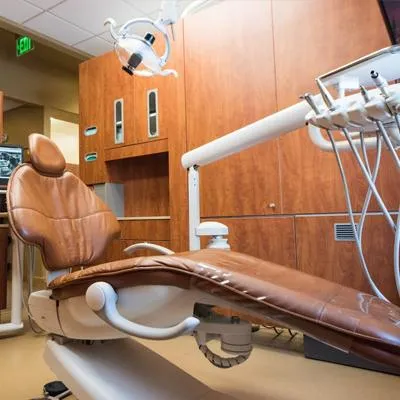
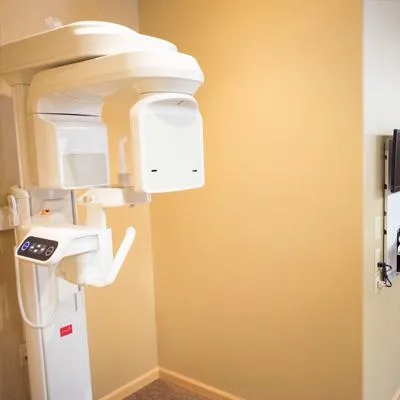
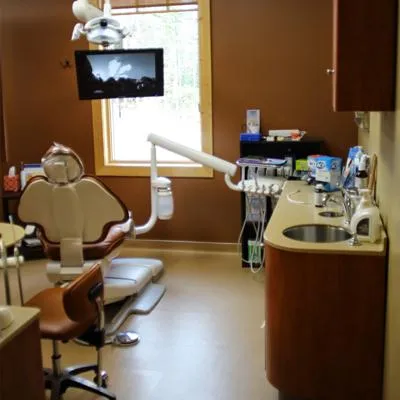
A Gentle, Happy First Dental Visit for Your Child
Your child’s first visit to the dentist sets the tone for a lifetime of healthy smiles. Our pediatric dental team creates a calm, friendly, and fun environment so children feel safe, relaxed, and confident.
We use simple, non-scary words, take things at your child’s pace, and make sure both parents and kids feel comfortable from the moment they walk in.
Start Dental Care Early - It Makes a Big Difference
Early dental visits help prevent cavities, build healthy habits, and remove fear before it ever starts. Seeing the dentist early means fewer problems and happier visits as your child grows.
Designed for Kids. Trusted by Parents
✔ Gentle, kid-friendly approach
✔ Focus on comfort & prevention
✔ Positive first-visit experience
✔ Education made simple for parents & children
Designed for Kids. Trusted by Parents
✔ Gentle, kid-friendly approach
✔ Focus on comfort & prevention
✔ Positive first-visit experience
✔ Education made simple for parents & children
Our Patients Are Our Biggest Fans!
What Our Patients Say About Us



Meet Our Doctor
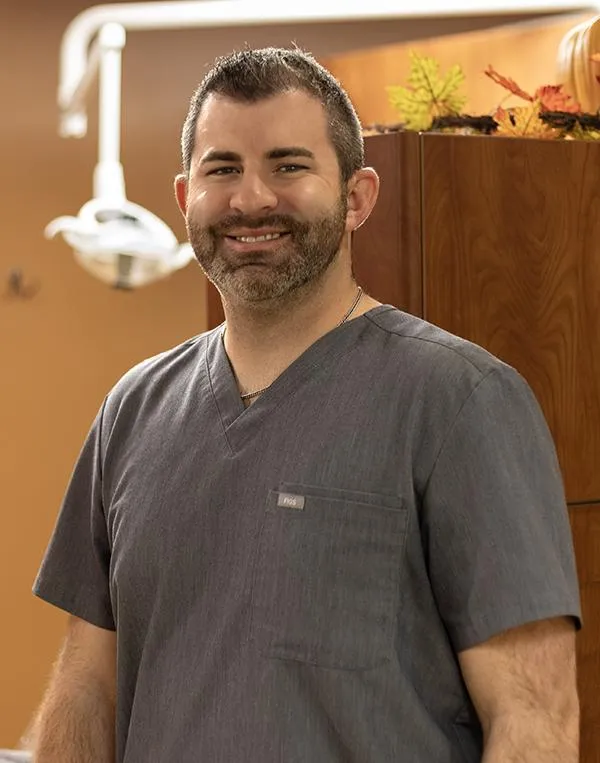
Dr. David Richburg
Dr. David Richburg earned his DDS from UT Health Houston School of Dentistry after completing his undergrad in Biology from West Texas A&M University.
Growing up, Dr. Richburg’s dentist was a great inspiration to him. He had been the family dentist for multiple generations, starting with his great grandparents! Watching how his dentist interacted with patients and was able to help them created the desire in him to do the same. Dr. Richburg enjoys family and general dentistry because he’s able to have a relationship with the families that he treats which creates a trust that he hopes his patients experience as they come to his practice. Dentistry can change people’s lives and it means a lot to Dr. Richburg to be in a profession that can do that; he appreciates knowing that he has a positive impact on the community.
Last year, Dr. Richburg and his wife spent several weeks in Soldotna and the surrounding communities. They really enjoyed the small town atmosphere and all the friendly people. Dentistry is all about building a trusting relationship between patients and the staff. He wanted to work with people that love what they do and are a joy to be around. This attitude creates a great environment for our patients to receive care in.
Financial Information
The cost of your treatment will vary depending on your individual needs and treatment plan. We will discuss with you the cost of your treatment and each of your available payment options before you begin, so that you can make the best choice for you.
Affordable Payment Plans
Your smile is yours forever, and we want to make it as easy as possible for you to receive the best dental care when you need it.

Our practice accepts most major credit cards and insurance plans.
Our office staff is always available to help you with insurance claims and paperwork. We’ll work with your insurance provider to make sure that your coverage meets your needs and your budget.
Please let us know if you have any questions about your insurance coverage.
Pediatric Dental FAQs
Below are common questions and our answers about the best way to care for children’s teeth.
When Should I Schedule My Child’s First Visit to the Dentist?
We recommend that you make an appointment to see the dentist as soon as your child gets his first tooth. The American Academy of Pediatric Dentistry recommends that a child is seen by six months after his/her first tooth erupts or by one year old, whichever is first.
How Is a Pediatric Dentist Different From Other Dentists?
All dental specialists (pediatric dentists, orthodontists, oral surgeons, and others) begin by completing dental school, then continue their education with several years of additional specialized training. During training in the field of pediatric dentistry, your doctor gained extensive knowledge and experience in treating infants, children, and adolescents. Pediatric dentists enjoy working with children, and bring to each patient our expertise in childhood development and behavior. Because our office is geared toward young visitors, you’ll find that our staff, as well as our office design, decorations and activities, all work together to provide an especially friendly and comfortable environment for children.
What Happens During My Child’s First Visit to the Dentist?
The first visit is usually short and simple. In most cases, we focus on getting to know your child and giving you some basic information about dental care. The doctor will check your child’s teeth for placement and health, and will look for any potential problems with the gums and jaw. If necessary, we may do a bit of cleaning. We will also answer any questions you have about how to care for your child’s teeth as they develop, and provide you with materials containing helpful tips that you can refer to at home.
How Can I Prepare My Child For His First Dental Appointment?
The best preparation for your child’s first visit to our office is maintaining a positive attitude. Children pick up on adults’ apprehensions, and if you make negative comments about trips to the dentist you can be sure that your child will fear an unpleasant experience and act accordingly. Show your child the pictures of the office and staff on the website. Let your child know that it’s important to keep his teeth and gums healthy, and that the doctor will help him do that. Remember that your dentist is specially trained to handle fears and anxiety, and our staff excels at putting children at ease during treatment.
How Often Should My Child Visit The Dentist?
We generally recommend scheduling checkups every six months. Depending on the circumstances of your child’s oral health, we may recommend more frequent visits.
Baby Teeth Aren’t Permanent. Why Do They Need Special Care?
Although they don’t last as long as permanent teeth, your child’s first teeth play an important role in his development. While they’re in place, these primary teeth help your little one speak, smile and chew properly. They also hold space in the jaw for permanent teeth. If a child loses a tooth too early (due to damage or decay) nearby teeth may encroach on that space, which can result in crooked or misplaced permanent teeth. Also, your child’s general health is affected by the oral health of the teeth and gums.
What’s The Best Way to Clean My Baby’s Teeth?
Even before your baby’s first tooth appears, we recommend you clean his gums after feedings with a damp, soft washcloth. As soon as his first tooth appears, you can start using a toothbrush. Choose a toothbrush with soft bristles and a small head. You most likely can find a toothbrush designed for infants at your local drugstore.
At What Age Is It Appropriate To Use Toothpaste to Clean My Child’s Teeth?
Once your child has a few teeth, you can start using toothpaste on the brush. Use only a tiny amount for each cleaning, and be sure to choose toothpaste without fluoride for children under two, because too much fluoride can be dangerous for very young children. Always have your child rinse and spit out toothpaste after brushing, to begin a lifelong habit he’ll need when he graduates to fluoride toothpaste. Children naturally want to swallow toothpaste after brushing, and swallowing too much fluoride toothpaste can cause teeth to stain. You should brush your child’s teeth for him until he is ready to take on that responsibility himself, which usually happens by age six or seven.
What Causes Cavities?
Certain types of bacteria live in our mouths. When these bacteria come into contact with sugary foods left behind on our teeth after eating, acids are produced. These acids attack the enamel on the exterior of the teeth, eventually eating through the enamel and creating holes in the teeth, which we call cavities.
How Can I Help My Child Avoid Cavities?
Be sure that your child brushes his teeth at least twice a day with fluoride toothpaste. Flossing daily is also important, because flossing can reach spots between the teeth that brushing can’t. Check with your pediatric dentist about a fluoride supplement which helps tooth enamel become harder and more resistant to decay. Avoid sugary foods and drinks, limit snacking, and maintain a healthy diet. And finally, make regular appointments so that we can check the health of your child’s teeth and provide professional cleanings.
Does My Child Need Dental Sealants?
Sealants cover the pits and fissures in teeth that are difficult to brush and therefore susceptible to decay. We recommend sealants as a safe, simple way to help your child avoid cavities, especially for molars, which are hardest to reach.
My Child Plays Sports. How Can I Protect His Teeth?
Even children’s sports involve contact, and we recommend mouthguards for children active in sports. If your little one plays baseball, soccer, or other sports, ask us about having a custom-fitted mouthguard made to protect his teeth, lips, cheeks, and gums.
What Should I Do If My Child Sucks His Thumb?
The large majority of children suck their thumbs or fingers as infants, and most grow out of it by the age of four, without causing any permanent damage to their teeth. If your child continues sucking after permanent teeth erupt, or if he sucks aggressively, let us know and we can check to see if any problems may arise from the habit.
When Should My Child Have Dental X-Rays Taken?
We recommend taking X-rays around the age of two or three. The first set consists of simple pictures of the front upper and lower teeth, which familiarizes your child with the process. Once the baby teeth in back are touching one another, then regular (at least yearly) X-rays are recommended. Permanent teeth start coming in around age six, and X-rays help us make sure your child’s teeth and jaw are healthy and properly aligned. If your child is at a high risk of dental problems, we may suggest having X-rays taken at an earlier age.
Are we a good fit for you?
You want to save time and money over your lifetime to get optimal health
Your goal is to be the healthiest version of yourself to feel the best
You want the least amount of dental work possible
Become Our New Patient
Start your smile journey today!
We Can't Wait To See Your Smile
Monday: 9 am-5 pm
Tuesday: 8 am-5 pm
Wednesday: 8 am-5 pm
Thursday: 8 am-5 pm
Friday: Closed
Saturday: Closed
Sunday: Closed
Copyright © Ridgeway Family Dentistry . All Rights Reserved.
Looking For The Top Voted Dentist In Soldotna, AK?
Ridgeway Family Dentistry Is The Place
Get an experienced dentist near you in Soldotna, AK for any dental treatment or check-up. We provide comprehensive services including cosmetic dentistry, general dentistry, dental restorations, orthodontics, and much more besides providing emergency and preventive dental care.
Schedule your visit with us and get the dental treatment you require.